Tuberculosis (TB)
Tuberculosis (TB) is a fully treatable and preventable disease which is transmitted through the air. TB can be fatal if left untreated. Tuberculosis (TB) cases have been increasing in some areas of the U.S., highlighting the importance of awareness, testing, and treatment. While TB is preventable and curable, it remains a public health concern, especially for people with weakened immune systems or those in high-risk environments.
What is TB?
TB is a disease caused by the bacteria Mycobacterium tuberculosis. It primarily affects the lungs but can also impact other parts of the body. TB spreads through the air when a person with active TB disease coughs, speaks, or sneezes.
Signs & Symptoms
TB infection can be latent (no symptoms, not contagious) or active (symptoms present, contagious).
Symptoms of active TB disease include:
- Persistent cough (lasting three weeks or more)
- Fever, chills, or night sweats
- Unexplained weight loss
- Fatigue
- Coughing up blood
Understanding Inactive (Latent) TB vs. Active TB
| A Person with Inactive TB | A Person with Active TB Disease |
|
|
Who is at Risk?
Certain individuals are at a higher risk of developing TB, including:
- Close contacts of people with active TB
- Individuals with weakened immune systems (e.g., HIV, diabetes, cancer)
- People who have traveled or lived in countries where TB is common
- Those who work or live in high-risk environments
High-Risk Environments for TB Transmission
TB spreads more easily in crowded or enclosed spaces with poor ventilation, increasing the risk for people in the following environments:
🏥 Healthcare settings: Doctors, nurses, and other healthcare workers who care for TB patients may be at higher risk, especially if infection control measures are not followed.
🏢 Long-term care facilities: Nursing homes, assisted living centers, and other residential healthcare settings can have a higher risk of TB transmission due to close living quarters.
🚨 Correctional facilities: Jails and prisons can be hotspots for TB due to overcrowding, limited access to medical care, and frequent movement of individuals.
🏠 Shelters: People experiencing homelessness often live in crowded conditions and may have limited access to healthcare, increasing their risk of both infection and severe TB disease.
🛠️ Workplaces with poor ventilation: Some workplaces, such as factories, warehouses, and construction sites, may have limited airflow, increasing the likelihood of TB transmission.
🛬 Refugee camps and migrant housing: People in temporary housing or shelters such as refugee camps, migrant worker housing, or disaster relief centers may have higher TB exposure due to crowded living conditions and limited healthcare access.
Prevention & Testing
🩺 Testing: A Tuberculin Skin Test or Quantiferon-TB Gold Plus blood test can detect TB infection. If positive, additional testing may be needed to determine if the infection is latent or active.
💊 Treatment: TB can be cured with antibiotics, but treatment must be completed to prevent drug resistance.
😷 Prevention: If you are at risk or have been exposed, testing and early treatment are key. People with active TB should stay home and wear a mask to prevent spread.
What Can You Do?
- Get tested if you are at risk or experience symptoms
- Complete your TB treatment if prescribed
- Contact your local health department for information about TB screening and resources
Ledge Light Health District works with the Connecticut Department of Public Health Tuberculosis Control Program to prevent transmission of TB. If you would like more information, please contact Mary Day, Supervisor, Communicable Disease Prevention.
Helpful Resources
2/4/2025
COVID-19 Testing in Connecticut
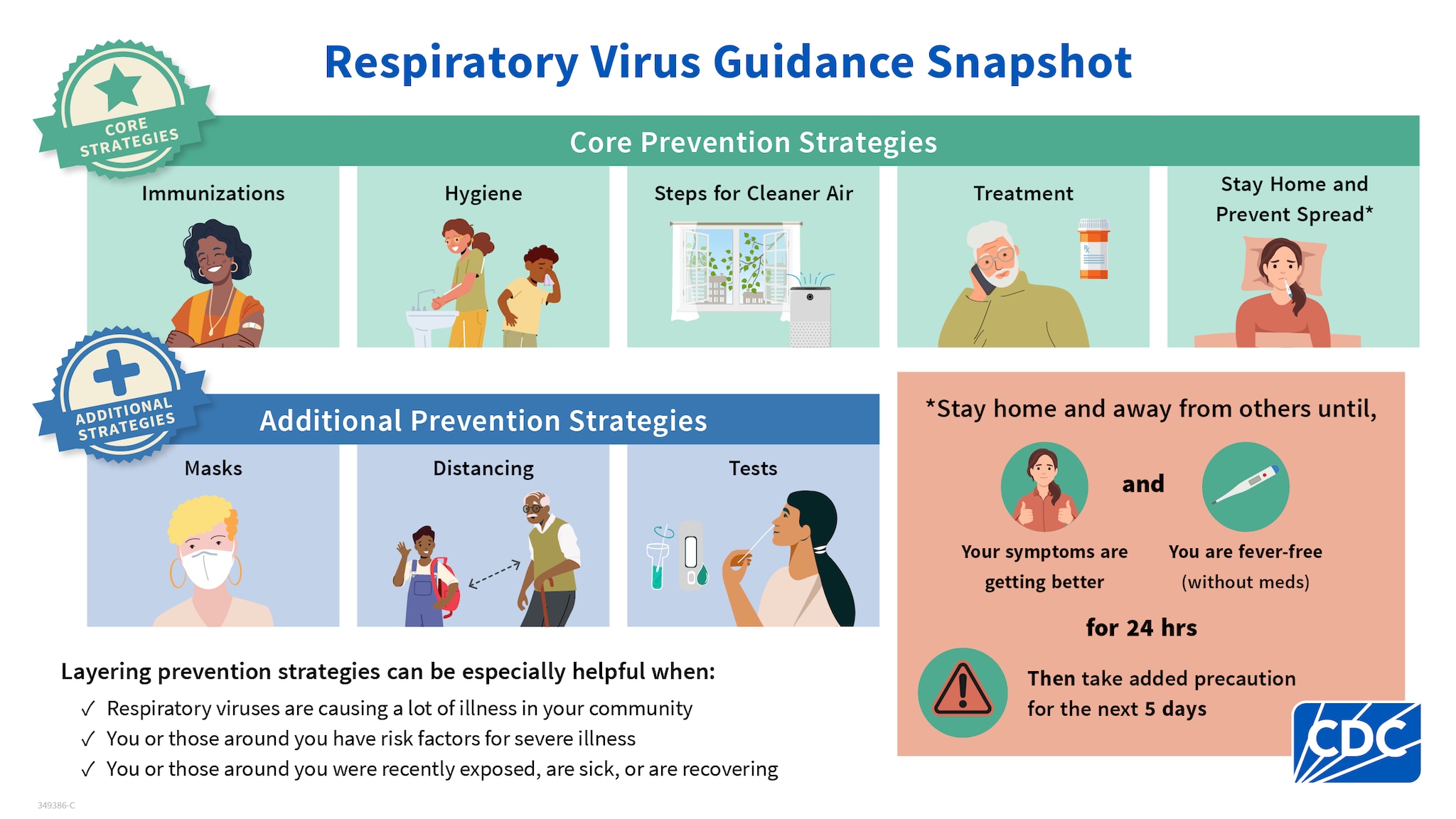
Testing remains an important tool to prevent the spread of COVID-19.
- If you have symptoms, take an at-home antigen test.
- If you test negative, repeat the test 48 hours later.
- If you were exposed but have no symptoms, take three antigen tests, each 48 hours apart.
- Nucleic acid amplification tests (NAATs) can confirm results if needed.
More information: CDC Testing Guidance
Need at-home COVID-19 tests?
Order up to four free at-home COVID-19 test kits per household here: COVIDTests.gov (provided by U.S. Department of Health and Human Services)
OR
Purchase self-test kits at pharmacies and retail stores throughout Connecticut.
Find a COVID-19 Testing Location
Need to get tested? Use these tools to find a nearby testing site:
- CDC COVID-19 Testing Locator – Find testing locations nationwide.
- HHS Community-Based Testing Sites – Locate federally supported testing sites in your area.
Additional Resources
- Connect with LLHD on Facebook, Instagram, and Twitter
- How You Can Plan and Prepare for Emergencies
- 2-1-1 Connecticut: Individuals who have general questions that are not answered on the website can also call 2-1-1 for assistance.
- YNHH: Yale New Haven Health
- CTDPH: Connecticut Department of Public Health
- CDC: Centers for Disease Control and Prevention
- FEMA: Federal Emergency Management Agency
- NIH – National Institute of Health